




Sustainable transport
The National Planning Policy Framework (NPPF) defines sustainable transport modes as:
'Any efficient, safe and accessible means of transport with overall low impact on the environment, including walking and cycling, low and ultra low emission vehicles, car sharing and public transport.'
The HS2 London-West Midlands Environmental Statement, Glossary of terms and list of abbreviations, DETR 2013, suggests that sustainable transport is:
'...any type of transport that has lower impacts on the environment and is more fuel efficient than traditional travel by single occupancy private motor vehicle. This includes walking, cycling, public transport and car sharing.'
[edit] Related articles on Designing Buildings Wiki
- BREEAM Sustainable Transport Measures.
- Car club.
- CarTube.
- Compliant public transport node.
- Cycling and walking plan.
- Cycle route.
- Cycle storage.
- ‘Future Roads of Grand Paris’ Exhibition
- Gearing up for active travel.
- Highways in England and Wales.
- Hyperloop
- Integrated transport system.
- National Planning Policy Framework.
- National Planning Practice Guidance.
- Road traffic management.
- Safe pedestrian route.
- Section 38 agreement.
- Section 278 agreement.
- Shared space.
- Sustainability.
- Walking distance.
- The future of transport in the UK.
- Traffic and transport.
- Transport assessment.
- Transport design and health.
- Transit Elevated Bus (TEB).
- Travel plan.
Featured articles
Check out some of the best features and news from Designing Buildings as well as key stories from around the web.
Become a Professional Development Partner

CIOB launches a new framework for staff development and chartered membership.

Dorset's first conservation campaigner?
Gov.uk - Hot-rolled steel plate

New anti-dumping measure imposed on South Korea.
ECA responds to the Milburn Report

Youth employment to be linked to workforce demand.
The construction industry urgently needs to attract new talent
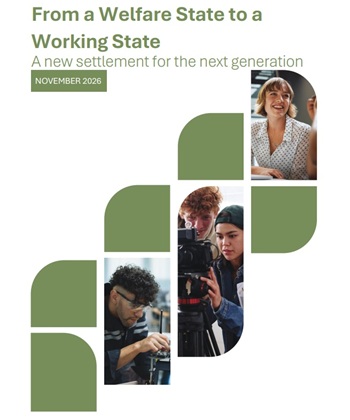
CIOB responds to Neets report.
Grenfell Tower community update

Memorial columns to be retained as careful dismantling continues.
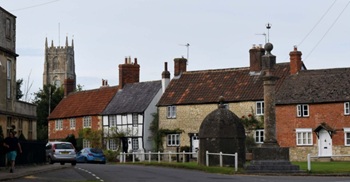
When buildings reflected the local resources available.

CIOB reports 57% are using artificial intelligence technologies.

More of England’s ‘hidden heroes’ will be celebrated.

CIAT calls for retrofit to be a priority.

Version 6 is now available, along with guidance for ECA members.
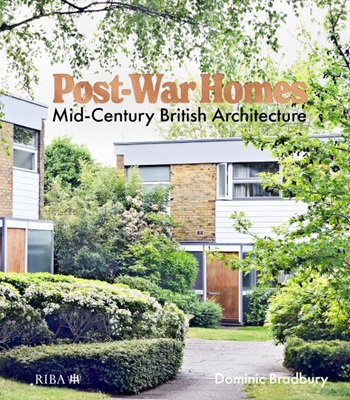
Post-War Homes: mid-century British architecture. Book review.